
Formación en seguridad es esencial para los equipos de ingeniería de seguridad modernos, no solo como una casilla de verificación de cumplimiento, sino como una práctica básica que transforma el comportamiento individual, reduce el riesgo humano y equipa a los ingenieros para detectar y prevenir amenazas emergentes. A medida que las ciberamenazas evolucionan con la automatización y los ataques aumentados por la IA, los programas de formación tradicionales también deben evolucionar. Esta guía explora la formación en seguridad desde un punto de vista técnico y de ingeniería, con el respaldo de las mejores prácticas autorizadas y ejemplos prácticos.
Por qué sigue siendo importante la formación en seguridad
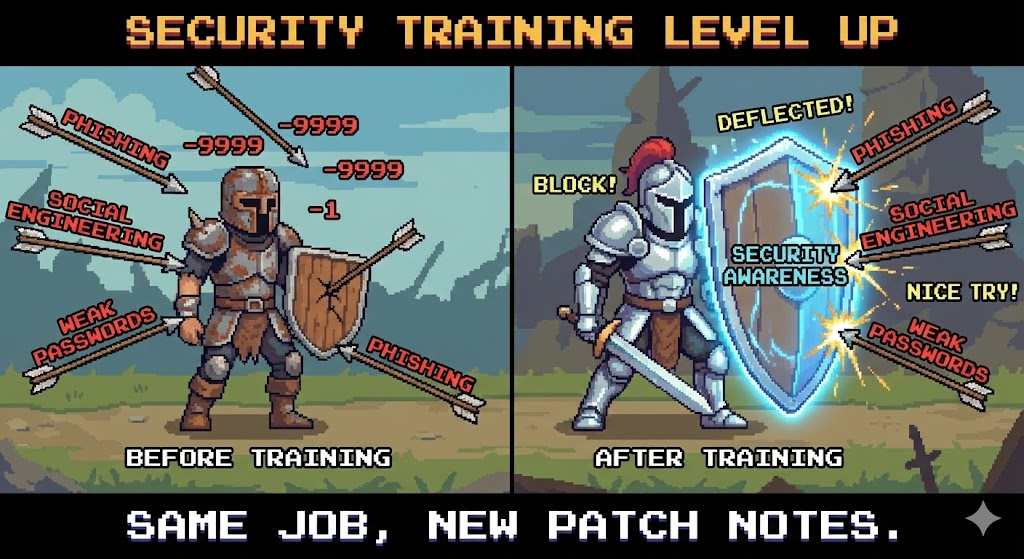
A pesar de las herramientas avanzadas, el error humano sigue siendo una de las principales causas de las infracciones: las investigaciones del sector demuestran repetidamente que una gran proporción de los ataques que tienen éxito dependen de la ingeniería social o de errores de configuración que podrían haberse evitado con una formación eficaz. La formación en seguridad ayuda a los equipos a reconocer la suplantación de identidad, a manejar los datos confidenciales de forma segura y a aplicar el pensamiento defensivo en sus flujos de trabajo. También ayuda a cumplir las normas de protección de datos, como el GDPR, y las normativas del sector. Cazadora+1
Una formación eficaz en materia de seguridad va más allá de los cursos memorísticos y las casillas de verificación de conformidad. La formación debe ser continua, contextualmente relevante y orientada al comportamiento-de lo contrario, no consigue cambiar los hábitos relacionados con el riesgo. Cazadora
Qué debe abarcar la formación moderna en seguridad
Una buena formación en seguridad para ingenieros se mezcla concienciación, práctica y profundos conocimientos técnicos.
| Categoría de formación | Enfoque clave | Resultados esperados |
|---|---|---|
| Phishing e ingeniería social | Reconocer los señuelos de ataque reales | Reducción de la tasa de éxito del phishing |
| Prácticas de codificación seguras | Validación de entradas, XSS/SQLi | Menos vulnerabilidades de las aplicaciones |
| Respuesta a incidentes | Flujos de trabajo de detección y contención | Mitigación más rápida de las infracciones |
| Gestión de identidades y accesos | Mejores prácticas AuthN/AuthZ | Controles de acceso reforzados |
| Caza y detección de amenazas | Análisis de registros, detección de anomalías | Detección proactiva de riesgos |
| Integración de DevSecOps | Automatización en CI/CD | Detección precoz de vulnerabilidades |
Estas categorías reflejan lo que la formación en seguridad centrada en el desarrollador (por ejemplo, cursos Coursera o Infosec) enfatiza: tanto las medidas preventivas como la preparación reactiva. Coursera
Errores de formación y cómo solucionarlos
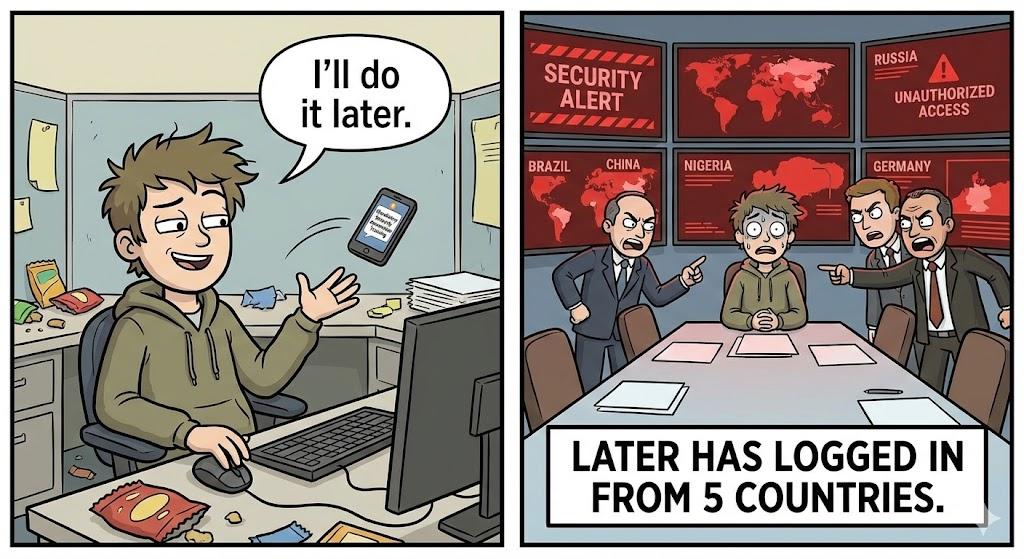
Muchas organizaciones tratan la formación en seguridad como un requisito puntual, lo que conduce a la falta de compromiso y de retención. Los problemas más comunes son:
- Vídeos para una clase que no reflejan los flujos de trabajo reales
- Simulaciones más punitivas que educativas
- Contenidos estáticos que no evolucionan con el panorama de las amenazas
Los programas eficaces utilizan actualizaciones en curso, simulaciones de ataques realesy módulos específicos para cada función. SC&H+1
Por ejemplo, anticiparse a los ataques de phishing emergentes con una simulación adaptativa aumenta el rendimiento de la detección, mientras que las diapositivas genéricas sobre "no abrir archivos adjuntos" no lo hacen. Cazadora
Captura la bandera (CTF) y laboratorios prácticos
Ejercicios interactivos como Capturar la bandera (CTF) permiten a los participantes practicar habilidades ofensivas y defensivas en un entorno controlado. Los CTF incluyen escenarios como la explotación de una aplicación vulnerable o la defensa de un servicio activo, y se utilizan ampliamente en la formación en ciberseguridad para reforzar el aprendizaje.
Ejemplos de códigos de ataque y defensa
Aquí tiene 5 ejemplos técnicos reales que ilustran escenarios de entrenamiento comunes que simulan condiciones de amenaza y demuestran patrones de codificación defensiva.
Simulación de detección de phishing
Simulación de ataque (detección de cebos de phishing):
python
# Comprobación simple de URL sospechosas en el analizador de correo electrónico
def es_enlace_sospechoso(url):
palabras_clave_sospechosas = ['login', 'secure', 'verify']
return any(kw in url.lower() for kw in palabras_clave_sospechosas)
)
Práctica de defensa: URL Scoring & Whitelisting
python
def is_safe_url(url, whitelist):
return urlparse(url).netloc en lista blanca
Enseñar a los ingenieros a puntuar y evaluar mecánicamente las URL ayuda en escenarios de amenazas reales.
Detección de contraseñas débiles (ejemplo de linterna de entrenamiento)
Patrón de ataque: Política de contraseñas deficiente
javascript
// Malo: permite contraseñas débiles if (password.length >= 4)
{
aceptar(contraseña)
}
Patrón defensivo: Aplicación de políticas
javascript
const passwordPolicy = /^(?=.*[a-z])(?=.*\\\d)(?=.*[!@#$%^&*]).{12,}$/;
if (passwordPolicy.test(password)) {
accept(contraseña);
}
Este ejemplo es ideal para las clases de codificación segura que muestran la aplicación de políticas.
Formación sobre inyección SQL
Consulta vulnerable (para inyectar):
python
cursor.execute(f "SELECT * FROM usuarios WHERE id = '{user_id}'")
Consulta segura con parametrización
python
cursor.execute("SELECT * FROM usuarios WHERE id = %s", (user_id,))
La formación en seguridad se centra en estas refactorizaciones sencillas para evitar vulnerabilidades catastróficas.
Implementación del token CSRF
Falta CSRF Token (Vulnerable):
html
<form action="/submit">
<input name="amount" value="100">
</form>
Patrón de token CSRF defensivo:
html
<input type="hidden" name="csrf_token" value="{{ csrf_token }}">
Los ejercicios automatizados sobre CSRF enseñan a los desarrolladores a detectar las protecciones que faltan.
Ejemplo de registro y alerta
Registro de ataques: Entradas sospechosas
ir
if strings.Contains(input, "' OR 1=1") { log.Warn("Posible intento de inyección SQL") }
Registro y alerta defensivos
ir
log.WithFields(log.Fields{"evento": "sql_injection", "entrada": entrada}).Warn("Detectada anomalía de entrada")
Formar a los ingenieros en la detección de entradas anómalas ayuda a crear mejores canales de supervisión.
Crear una cultura de la seguridad como prioridad
La formación en seguridad no es sólo una cuestión de cursos: es una cuestión de cultura. Una cultura de seguridad sólida:
- Promueve un comportamiento proactivo en lugar de un cumplimiento reactivo
- Fomenta la notificación de actividades sospechosas
- Integración de los controles de seguridad en los flujos de trabajo diarios
Los estudios demuestran que la formación en seguridad aumenta la adopción de prácticas seguras y capacita a los empleados para proteger los activos. infosecinstitute.com
Penligent: Formación y evaluación continuas de la seguridad basadas en IA
Plataformas automatizadas de pruebas de penetración como Penligente ayudar a los equipos de ingenieros a encontrar fallos lógicos y de implementación en las primeras fases del proceso de desarrollo, lo que amplía la formación tradicional en materia de seguridad para convertirla en evaluación automatizada continua.
La IA de Penligent puede:
- Simular vectores de ataque que reflejen el comportamiento real de los adversarios.
- Analizar el código y las configuraciones de despliegue en busca de patrones de riesgo.
- Evalúe la eficacia de la formación correlacionando el comportamiento de los alumnos con intentos de explotación simulados.
- Integración con procesos CI/CD para detectar regresiones de seguridad en una fase temprana.
De este modo, la formación en materia de seguridad deja de ser una conferencia periódica para convertirse en reducción de riesgos continua y basada en datos.
Cómo medir la eficacia de la formación
La eficacia de la formación no debe medirse por la asistencia, sino por cambio de comportamiento y reducción de los incidentes de seguridad. Entre las métricas útiles se incluyen:
- Índices de clics de phishing a lo largo del tiempo
- Reducción de los patrones de código de riesgo encontrados en las exploraciones
- Aumento de la notificación de sucesos sospechosos
- Tiempos de respuesta a incidentes más rápidos
La evaluación continua garantiza que la formación evolucione con las amenazas y los flujos de trabajo reales.
Conclusión
formación en seguridad ya no es opcional. Con amenazas impulsadas por la IA, la automatización y adversarios altamente sofisticados, la formación eficaz debe serlo:
- Continuo y adaptable
- Contextuales y pertinentes
- Medida y centrada en el comportamiento
- Integración en los flujos de trabajo de ingeniería
La combinación de métodos tradicionales con pruebas automatizadas (como Penligent) permite a los equipos no sólo aprender las mejores prácticas, sino también validarlas en contextos de riesgo reales.


 Spanish
  English
  German
  French
  Portuguese
  Japanese
  Korean
  Hindi
Hindi  Arabic
  Turkish
  Hebrew