
スキャンツールセキュリティ・エンジニアの視点
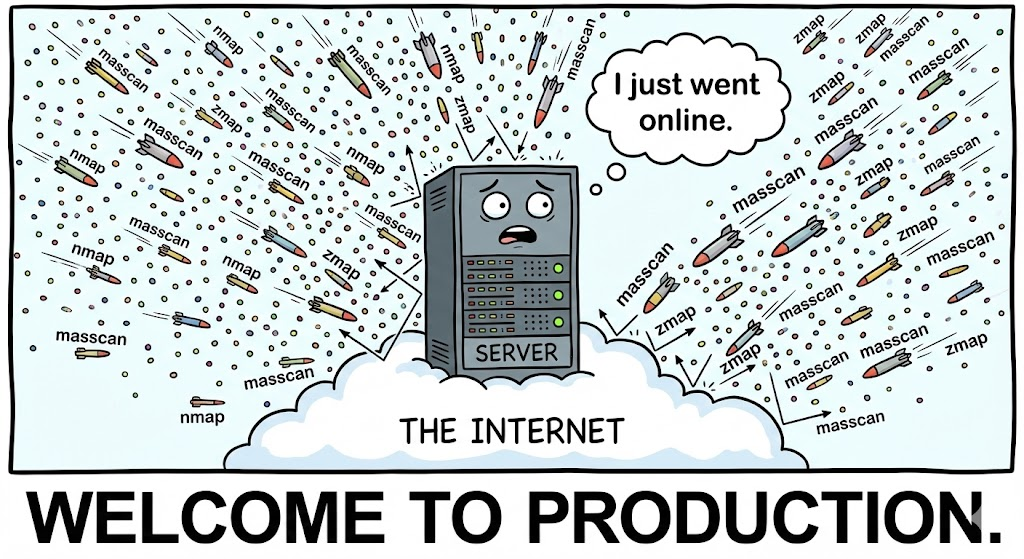
スキャン・ツールは、現代のサイバーセキュリティにおいて諸刃の剣である。防御側にとっては、脆弱性の発見、資産の棚卸し、継続的なセキュリティ検証のために不可欠である。攻撃者にとっては、スキャン・ツールはしばしば 搾取第一段階偵察、フィンガープリンティング、弱点の発見を大規模に行うことができる。
スキャニング・ツールを「防御的な製品」という観点からのみ理解することは不完全である。システムを効果的に保護するために、セキュリティ・エンジニアは次のことを理解しなければならない。 攻撃者は実際にどのようにスキャンツールを使うのかスキャンがどのように検知を逃れるか、防御側がどのようにスキャンを特定し、無力化するか。
この記事では、スキャニング・ツールを両側から検証し、以下の点に焦点を当てる。 現実の虐待パターンと続く。 4つの具体的な攻撃と防御のコード例 本番環境を反映している。
スキャンツールの実際とは?
実際の使用において、スキャンツールは通常いくつかのカテゴリーに分類される:
- ネットワーク・スキャナー(ポート・ディスカバリー、サービス・ディスカバリー)
- ウェブアプリケーションスキャナ(DASTスタイルのプロービング)
- APIスキャナー(スキーマと動作分析)
- クラウドおよびアセットスキャナー(設定ミスの発見)
攻撃者が単一のツールに依存することはほとんどない。その代わりに、軽量スキャナー、カスタムスクリプト、回避テクニックを連鎖させ、検知しきい値を下回るようにする。
攻撃チェーンにおいてスキャンツールが重要な理由
スキャニングはデフォルトではノイズにならない。現代の攻撃は好意的である:
- 低レートスキャン
- 分散ソースIP
- プロトコルに準拠したリクエスト
- タイミングとヘッダーの無作為化
これにより、攻撃者は正確な攻撃マップを構築しながら、通常のトラフィックに紛れ込むことができる。
攻撃と防御のコード例
以下はその例である。 一般的な4つのスキャンツール悪用テクニックと対になっている。 実践的な防衛対策.
攻撃例 1:IDSを回避するための低レート・ポート・スキャン
古典的な高速スキャンの代わりに、攻撃者はアラートのトリガーを回避するためにスキャン速度を調整する。
攻撃低速TCPポートスキャン(Python)
パイソン
インポートソケット
インポート時間
ターゲット = "192.168.1.10"
ポート = [22, 80, 443, 8080]
for port in ports:
s = socket.socket()
s.settimeout(2)
トライしてみよう:
s.connect((target, port))
print(f"[+] ポート{ポート}オープン")
を除く:
パス
s.close()
time.sleep(10) # 意図的に遅い
このスキャンには数分から数時間かかるが、しばしばレートベースの検出をバイパスする。
防衛接続率プロファイリング
パイソン
from collections import defaultdict
インポート時間
connection_log = defaultdict(list)
def log_connection(ip):
now = time.time()
connection_log[ip].append(now)
recent = [t for t in connection_log[ip] if now - t < 300]
len(recent) > 20:
print(f"{ip}からの不審なスキャン動作")
ディフェンスの見識 検出の焦点は 経時行動バースト・トラフィックだけではない。
攻撃例2:ウェブ・スキャナー・フィンガープリント回避
攻撃者はスキャンを偽装し、通常のブラウザー・トラフィックのように見せかける。
攻撃ヘッダを偽装したスキャナー
パイソン
輸入リクエスト
ヘッダー = {
「ユーザーエージェント「Mozilla/5.0"、
"Accept":「text/html,application/xhtml+xml"、
}
payloads = ["/admin","/.git","/backup.zip"]。
for p in payloads:
r = requests.get(f"{p}", headers=headers)
print(p, r.status_code)
これは、基本的な "scanner User-Agent "ルールを回避する。
防衛パスエントロピーとアクセスパターンの検出
パイソン
インポート数学
def entropy(s):
from collections import Counter
probs = [n / len(s) for n in Counter(s).values()].
return -sum(p * math.log2(p for p in probs))
paths = ["/admin","/.git","/backup.zip"]。
for p in paths:
entropy(p) > 2.5 の場合:
print("High-risk scanning path detected:", p)
ディフェンスの見識 攻撃検知は以下を考慮すべきである。 要求内容誰からの要請か、だけではない。
攻撃例3:スキーマ列挙によるAPIスキャン
攻撃者はAPIをスキャンし、文書化されていないエンドポイントやパラメータを推測する。
攻撃APIパラメータの発見
パイソン
輸入リクエスト
params = ["id", "user_id", "debug", "admin"] ]。
for p in params:
r = requests.get()
""、
params={p:"1"}
)
if r.status_code != 400:
print(f "興味深いパラメータ:{p}")
これにより、隠されたロジックやアクセス制御の欠陥が明らかになる。
防衛厳格なパラメータ許可リスト
パイソン
ALLOWED_PARAMS = {"id"}.
def validate_params(request_params):
for p in request_params:
pがALLOWED_PARAMSにない場合:
raise ValueError("無効なパラメータが検出されました")
ディフェンスの見識 緩やかなパラメーターの取り扱いは、APIスキャンをディスカバリー・オラクルに変える。
攻撃例4:IPをまたいだ分散スキャン
攻撃者は相関を回避するために複数のIPアドレスにスキャンを分散させる。
攻撃回転ソーススキャン(概念的)
パイソン
targets = ["", ""] ]。
for t in targets:
#は異なるホストまたはプロキシから実行される
send_request_from_random_ip(t)
それぞれのIPは良性に見えるが、集合的にアプリケーションをマッピングしている。
ディフェンスIP間の行動相関
パイソン
def correlate_requests(logs):
フィンガープリント = {}
ログに記入する:
key = (entry["path"], entry["method"])
fingerprint.setdefault(key, set()).add(entry["ip"])
for k, ips in fingerprint.items():
len(ips) > 10:
print("Distributed scan detected on:", k)
ディフェンスの見識 スキャニング・ツールは、しばしば自分自身を明らかにする 総合的に見てこそ.

セキュリティチームにとっての重要なポイント
スキャンツールは本質的に悪意があるわけではないが 虐待のパターンが予測できる.シグネチャーやスタティック・ルールだけに頼った守備は失敗する:
- 遅いスキャン
- ヘッダーマスカレードされたプローブ
- API推論攻撃
- 分散偵察
効果的なディフェンスには
- 行動ベースライン
- 時間的相関
- セマンティックリクエスト分析
- コンテキストを考慮したロギング
最終的な感想
スキャニング・ツールは 序の口.スキャンを "バックグラウンド・ノイズ "として扱うことは、最も一般的な守備の盲点のひとつである。
攻撃者が実際にどのようにスキャンを行うかを理解し、プロトコル、ロジック、ビヘイビアの各レイヤーで防御手段を構築することで、企業は脅威を検知することができる。 搾取が始まる前にダメージを受けてからではない。
 Japanese
  English
  German
  French
  Spanish
  Portuguese
  Korean
  Hindi
Hindi  Arabic
  Turkish
  Hebrew