
현대 사이버 보안에서 바이패스 링크 는 공격자가 정상적인 보안 검사, 필터 또는 보호 기능을 우회하여 악성 콘텐츠를 전달하거나 탐지를 회피할 수 있는 모든 URL 또는 기술을 광범위하게 지칭합니다. 안전한 링크 스캐너를 통과하는 피싱 공격, 이메일 게이트웨이를 우회하는 조작된 URL, 공격자가 악용하는 보안 제어 우회 취약점 등 우회 링크를 이해하는 것은 보안 엔지니어와 자동화된 모의 침투 테스터에게 매우 중요한 기술입니다.
이 문서에서는 최신 연구와 사실적 증거를 바탕으로 우회 링크를 정의하고, 실제 공격 기법을 설명하고, 방어 원칙을 설명하고, 탐지 전략을 강조합니다.
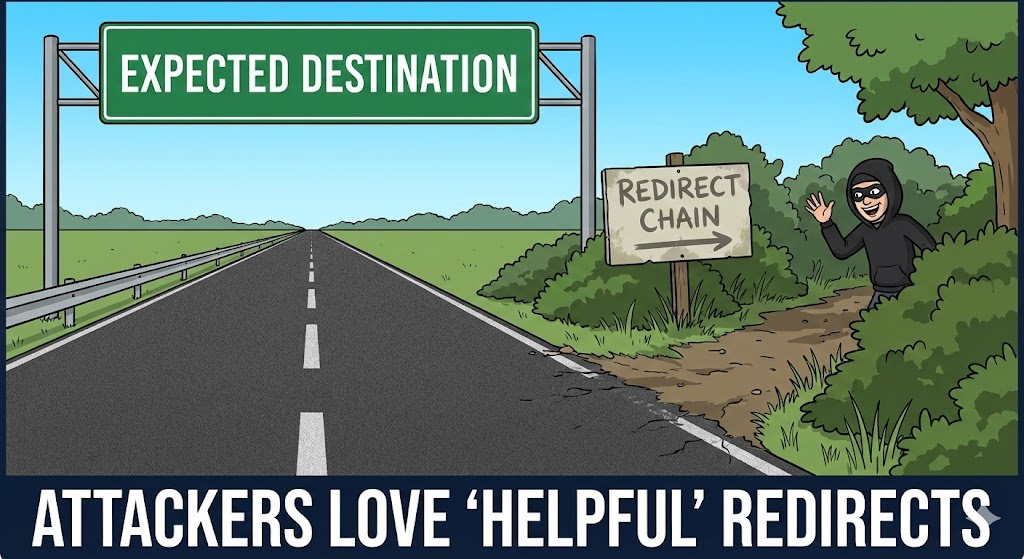
바이패스 링크란 무엇인가요?
A 바이패스 링크 는 일반적으로 사용자를 악성 콘텐츠로부터 보호하는 탐지, 필터링 또는 보안 제어를 회피하기 위해 만들어진 URL 또는 하이퍼링크 기법입니다. 이는 여러 가지 방식으로 발생할 수 있습니다:
- 링크 블랙리스트 필터 회피 URL 단축기 또는 다중 리디렉션을 사용하여.
링크 안전한 링크 재작성 우회 보안 이메일 게이트웨이에서 사용됩니다.
애플리케이션의 보안 보호 기능(예: 이메일 클라이언트 또는 보안 기능)을 우회하기 위해 파서 버그를 트리거하는 조작된 URL 익스플로잇입니다.
공격자는 피싱 캠페인, 멀웨어 전달, 자격 증명 수집, URL 검색 시스템 회피의 일부로 우회 링크를 활용합니다.
우회 링크 기법을 사용하는 최신 위협
URL 래핑 및 재작성 어뷰징
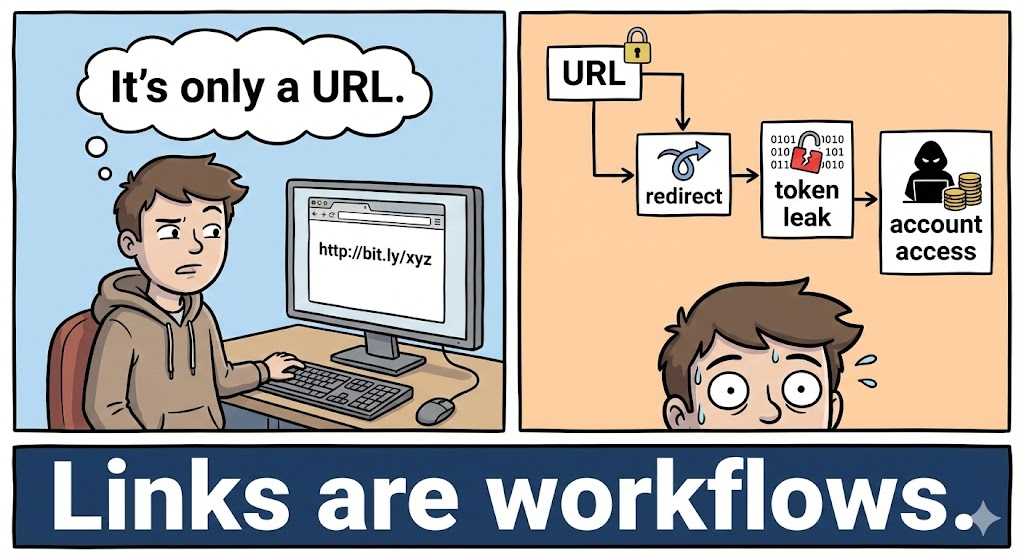
이메일 게이트웨이와 같은 보안 제품은 클릭 시 위협을 검사할 수 있도록 메시지 내부의 URL을 재작성하는 경우가 많습니다. 하지만 공격자는 이 메커니즘을 악용하여 합법적으로 보이는 래핑된 URL 뒤에 악성 목적지를 삽입할 수 있습니다. 그 결과, 링크는 필터에 안전해 보이지만 재작성 후에는 피해자를 악성 페이로드로 리디렉션합니다.
탐지 회피를 위한 URL 단축
URL 단축기는 일반적으로 최종 페이로드 도메인을 숨기기 위해 악용됩니다. 보안 스캐너는 알려진 악성 URL의 블랙리스트를 유지하기 때문에 공격자는 아직 플래그가 지정되지 않은 새로운 단축 링크를 생성하여 필터를 우회할 가능성을 높일 수 있습니다.
또한 이 기술을 사용하면 공격자가 여러 리디렉션을 연결하여 자동화된 도구가 엔드포인트를 추적하고 검사하기 어렵게 만들 수 있습니다.
파서 또는 클라이언트 보안 우회 익스플로잇
일부 우회 링크 동작은 취약점을 기반으로 합니다. 예를 들어 CVE-2020-0696Microsoft Outlook의 구문 분석 버그로 인해 공격자가 Outlook의 URL 보호 기능을 우회하는 대체 URI 형식을 사용하여 URL을 조작할 수 있어 이메일의 악성 링크가 잘못 표시되고 클릭 시 실행될 수 있었습니다.
이러한 종류의 익스플로잇은 공격자가 논리 또는 구문 분석 결함으로 인해 애플리케이션 수준의 보호 기능을 우회하는 링크를 만드는 방법을 보여줍니다.
우회 링크의 보안 위험
우회 링크에는 몇 가지 위협이 있습니다:
| 위험 범주 | 예 | 영향 |
|---|---|---|
| 피싱 및 자격 증명 도용 | 단축을 통해 위장한 악성 링크 | 사용자가 가짜 사이트에 자격 증명을 제출하는 경우 |
| 멀웨어 전송 | 링크는 URL 필터를 우회하여 페이로드를 다운로드합니다. | 엔드포인트 손상 |
| 보안 제어 회피 | 익스플로잇 우회 URL 검사 기능 | 악성 콘텐츠가 네트워크에 도달하는 경우 |
| 평판 악용 | 리디렉션 호스트로 사용되는 합법적인 서비스 URL | 공격 성공률 증가 |
공격자들은 리디렉션, 난독화, 타이밍 기반 전송, 조건부 라우팅 등 우회 기술을 결합하여 AI 기반 스캐닝과 같은 고급 방어 체계도 우회하는 경우가 점점 더 많아지고 있습니다.
공격자가 링크를 난독화하는 방법
보안팀은 난독화가 링크 우회를 용이하게 하는 방법을 이해해야 합니다. 일반적인 전술은 다음과 같습니다:
URL 단축
공격자는 Bitly, TinyURL 등과 같은 서비스를 사용하여 실제 목적지를 숨깁니다. 단축어는 본질적으로 악의적인 것이 아니기 때문에 보안 도구에서 기본적으로 플래그를 지정하지 않을 수 있습니다.
멀티 레이어 리디렉션 체인
일련의 리디렉션은 스캐너를 혼동할 수 있습니다. 각 홉은 최종적으로 악성 랜딩 페이지로 연결되기 전에 정상 도메인에 있을 수 있습니다.
스캐너를 위한 조건부 리디렉션
일부 공격자는 사용자 에이전트, 지리적 위치 또는 타이밍에 따라 스캐너나 봇에는 깨끗한 콘텐츠를 전달하지만 실제 사용자에게는 악성 콘텐츠를 전달합니다.
이러한 난독화는 종종 함께 작동하기 때문에 심층 분석 없이는 자동 탐지가 어렵습니다.
실제 사례: 이메일 게이트웨이 우회
이메일 보안 게이트웨이는 사용자를 보호하기 위해 링크를 재작성하고 검사합니다. 예를 들어
- 사용자가 링크가 포함된 이메일을 받습니다.
- 보안 게이트웨이가 링크를 안전한 스캔 URL로 다시 작성합니다.
- 클릭 시 게이트웨이가 대상을 스캔하여 허용하거나 차단합니다.
그러나 공격자는 이미 재작성되었거나 난독화된 URL을 삽입하여 스캐너가 링크를 신뢰하도록 유도하거나 블랙리스트 업데이트보다 빠르게 링크를 회전시키는 방식으로 이를 우회할 수 있습니다.
이로 인해 사용자는 안전하다고 생각되는 링크를 클릭하지만 결국 악성 페이로드에 도달하게 될 수 있습니다.
탐지 및 방어 전략
방어자는 우회 링크 공격으로부터 보호해야 합니다:
엔드포인트 및 이메일 보안 강화
- 전체 리디렉션 체인을 따르는 고급 URL 분석을 사용합니다.
- 블랙리스트에만 의존하지 않고 난독화된 지표를 탐지하는 AI/ML 기반 스캐너를 배포하세요.
- 스캐너 동작과 실제 사용자 탐색 간의 불일치를 기록 및 분석합니다.
사용자 인식 및 피싱 시뮬레이션
시뮬레이션 피싱과 교육을 통해 사용자는 위장되거나 조작된 링크를 인식할 수 있습니다.
평판 및 행동 분석
해당 링크를 플래그합니다:
- 다중 리디렉션 사용
- 최근에 생성되어 수명이 짧습니다.
- 비정상적인 인코딩 패턴 포함
행동 이상 탐지 기능은 링크가 아직 악의적인 것으로 알려지지 않은 경우에도 악의적인 의도를 파악하는 데 도움이 됩니다.
공격 및 방어 코드 예시: 실제 바이패스 링크 기법
아래는 다음과 같습니다. 4가지 실제 우회 링크 공격 패턴 해당 방어적 탐지 또는 완화 코드피싱 캠페인, 멀웨어 전달 및 보안 제어 회피에서 흔히 관찰됩니다.
공격 사례 1: 이메일 필터를 우회하기 위한 URL 단축기 악용
공격자는 URL 단축 서비스를 사용하여 최종 악성 목적지를 숨기고 링크를 통해 블랙리스트 기반 필터를 우회할 수 있도록 합니다.
공격(악의적인 단축 링크)
텍스트
단축 URL은 다음 사이트로 리디렉션됩니다:
텍스트
https://login-secure-update[.]example/phish
이메일 게이트웨이는 평판이 회복될 때까지 단축 도메인을 위험도가 낮은 것으로 취급하는 경우가 많습니다.
방어: 방어: 리디렉션 체인 확인 및 검사(Python)
python
가져오기 요청
def resolve_url(url):
response = requests.get(url, allow_redirects=False, timeout=10)
응답.url, 응답.history 반환
final_url, chain = resolve_url("")
print("최종 URL:", final_url)
print("리디렉션 홉:")
를 사용하여 홉 인 체인에 연결합니다:
인쇄(hop.status_code, hop.url)
방어 가치:
- 강제 검사 최종 목적지첫 번째 홉뿐만 아니라
- 단축자가 아닌 확인된 도메인에서 정책 적용 가능
공격 예시 2: 스캐너 회피를 위한 다층 리디렉션 체인
공격자는 악성 페이로드에 도달하기 전에 여러 개의 정상 리디렉션을 연결하여 스캐너를 지치게 하거나 혼란스럽게 합니다.
공격 흐름
텍스트
이메일 링크 ↓ ↓ ↓>
일부 스캐너는 한두 홉 후에 멈춥니다.
방어: 리디렉션 깊이 임계값 적용
python
def check_redirect_depth(response, max_hops=3):
len(response.history) > max_hops:
반환 거짓
True를 반환합니다.
r = requests.get("", allow_redirects=True)
체크_리디렉션_뎁스(R)가 아닌 경우:
print("차단됨: 과도한 리디렉션 깊이가 감지되었습니다")
방어 가치:
- 의심스러운 리디렉션 동작 플래그 지정
- 리디렉션 세탁을 사용하는 피싱 키트에 효과적
공격 예시 3: 조건부 우회 링크(봇 대 인간 탐지)
공격자는 사용자 에이전트 또는 헤더를 기반으로 스캐너에는 깨끗한 콘텐츠를 제공하지만 실제 사용자에게는 악성 콘텐츠를 제공합니다.
공격(서버 측 로직)
python
플라스크 가져오기에서 플라스크, 요청
앱 = 플라스크(**이름**)
@app.route("/link")
def bypass():
ua = request.headers.get("User-Agent", "")
ua의 "curl" 또는 ua.lower()의 "scanner":
"저희 사이트에 오신 것을 환영합니다"를 반환합니다.
""를 반환합니다.
보안 스캐너는 정상 콘텐츠를 확인하고 사용자는 리디렉션됩니다.
방어: 다중 프로필 가져오기
python
헤더 = [
{"사용자-에이전트": "Mozilla/5.0"},
{"User-Agent": "curl/8.0"},
{"User-Agent": "SecurityScanner"}
]
를 헤더에 추가합니다:
r = requests.get("", headers=h)
print(h["User-Agent"], r.text[:80])
방어 가치:
- 일관되지 않은 응답 감지
- 바이패스 링크에 사용되는 조건부 전달 노출
공격 예시 4: URL 인코딩 및 파서 혼동 우회 공격
공격자는 인코딩 트릭을 사용하여 시스템 전반에서 일관되지 않은 URL 구문 분석을 악용합니다.
공격(인코딩된 바이패스 링크)
텍스트
https://example.com/%2e%2e/%2e%2e/login
일부 필터는 브라우저나 서버와 다르게 URL을 정규화합니다.
방어: 표준 URL 정규화
python
urllib.parse에서 unquote, urlparse를 가져옵니다.
def normalize_url(url):
parsed = urlparse(url)
정규화된_경로 = 따옴표 제거(파싱된.경로)
반환 f"{parsed.scheme}://{parsed.netloc}{normalized_path}"
url = "<https://example.com/%2e%2e/%2e%2e/login>"
print(normalize_url(url))
방어 가치:
- 파서 불일치 악용 방지
- WAF, 프록시, 이메일 보안 파이프라인의 필수 요소
보안 링크 대안 및 안전한 바이패스 사용 사례
모든 우회 링크가 악의적인 것은 아닙니다. 예를 들어, 보안 우회 링크( 서명 또는 토큰화 URL)을 통해 보호된 콘텐츠에 대한 임시 액세스를 허용하는 동시에 서명과 만료 토큰을 확인한 후 액세스를 허용합니다.
제대로 구현된 바이패스 링크에는 다음이 포함될 수 있습니다:
- 추측을 방지하기 위한 서버 서명 토큰
- 만료 타임스탬프
- 해지 지원
이러한 메커니즘은 편의성과 보안의 균형을 유지하며 콘텐츠 배포 워크플로에서 합법적으로 사용됩니다.
보안 도구에서 URL을 처리하는 모범 사례
보안팀은 이를 확인해야 합니다:
- URL 분석 엔진은 다음을 가져와 검사합니다. 최종 랜딩 페이지 목적지 첫 번째 홉이 아닌
- 리디렉션 체인은 보안 결정 전에 완전히 풀립니다.
- 반복되는 도메인 변경, 동글리프 도메인 또는 서버별 조건부 콘텐츠 전송과 같은 의심스러운 패턴이 기록되고 차단됩니다.
- 위협 인텔리전스 피드와의 통합으로 빠르게 변화하는 우회 기법에 대한 탐지가 강화됩니다.
결론
A 바이패스 링크 는 단순한 단축키가 아니라 보안 전장 공격자가 난독화, 리디렉션 또는 구문 분석 로직의 악용 계층 뒤에 악의적인 의도를 숨기는 곳입니다. 피싱, 멀웨어 전달 또는 애플리케이션 취약점 악용에 사용되든 우회 링크는 보안 보호를 심각하게 약화시킬 수 있습니다.
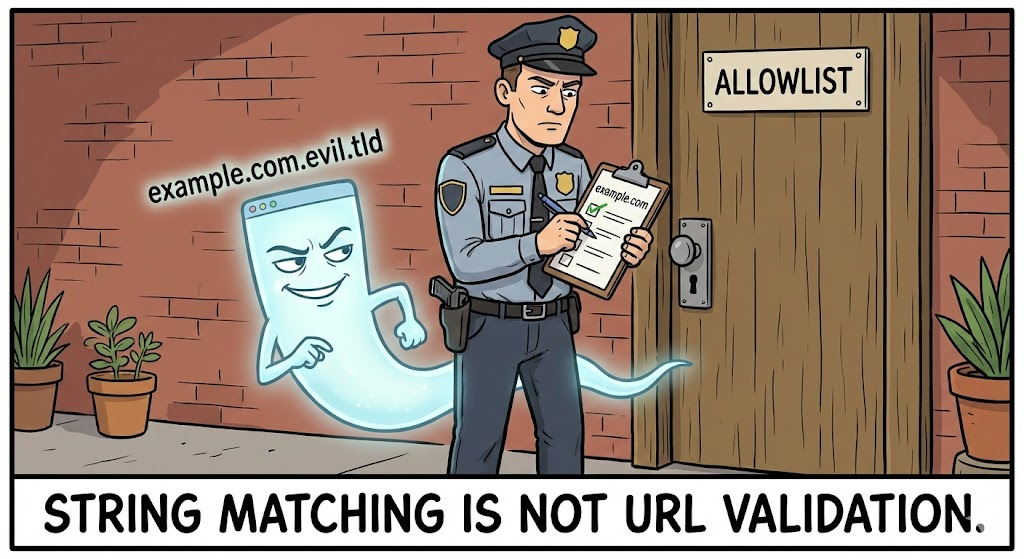
효과적인 방어에는 다음이 필요합니다. 다계층 분석는 정적 블랙리스트나 단순한 문자열 매칭이 아닌 평판, 행동 지표, 리디렉션 풀링, AI 기반 탐지를 결합한 솔루션입니다. 공격자의 기법을 이해하고 엄격한 탐지 정책을 적용함으로써 보안팀은 끊임없이 진화하는 링크 우회 위협에 한발 앞서 대응할 수 있습니다.


 Korean
  English
  German
  French
  Spanish
  Portuguese
  Japanese
  Hindi
Hindi  Arabic
  Turkish
  Hebrew