
Tarama Araçları: Bir Güvenlik Mühendisinin Bakış Açısı
Tarama araçları modern siber güvenlikte iki ucu keskin bir kılıçtır. Savunmacılar için güvenlik açığı keşfi, varlık envanteri ve sürekli güvenlik doğrulaması için gereklidirler. Saldırganlar içinse tarama araçları genellikle sömürünün ilk aşamasıkeşif, parmak izi ve zayıflık keşfini büyük ölçekte mümkün kılar.
Tarama araçlarını sadece "savunma ürünü" açısından anlamak eksik bir yaklaşımdır. Sistemleri etkili bir şekilde güvence altına almak için güvenlik mühendisleri şunları anlamalıdır saldırganların tarama araçlarını gerçekte nasıl kullandıklarıtaramaların tespit edilmekten nasıl kaçtığı ve savunucuların bunları nasıl tespit edip etkisiz hale getirebileceği.
Bu makale, tarama araçlarını her iki yönden de inceleyerek şu konulara odaklanmaktadır gerçek dünya istismar modellerive ardından dört somut saldırı ve savunma kodu örneği üretim ortamlarını yansıtır.
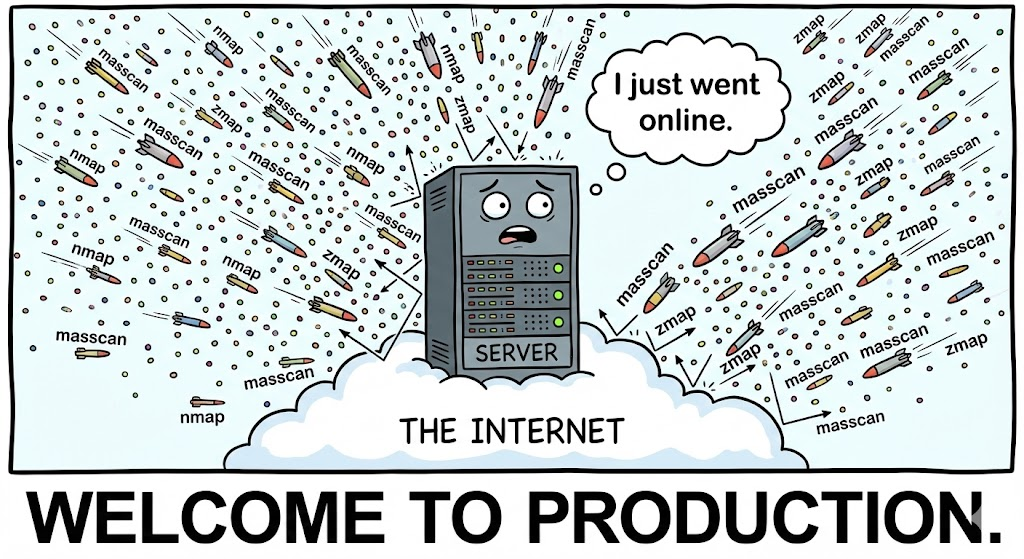
Uygulamada Tarama Araçları Nelerdir?
Gerçek dünya kullanımında, tarama araçları tipik olarak birkaç kategoriye ayrılır:
- Ağ tarayıcıları (bağlantı noktası ve hizmet keşfi)
- Web uygulama tarayıcıları (DAST tarzı problama)
- API tarayıcıları (şema ve davranış analizi)
- Bulut ve varlık tarayıcıları (yanlış yapılandırma keşfi)
Saldırganlar nadiren tek bir araca güvenirler. Bunun yerine, algılama eşiklerinin altında kalmak için hafif tarayıcıları, özel komut dosyalarını ve kaçınma tekniklerini zincirleme olarak kullanırlar.
Saldırı Zincirinde Tarama Araçları Neden Önemlidir?
Tarama varsayılan olarak gürültülü değildir. Modern saldırılar tercih edilir:
- Düşük oranlı tarama
- Dağıtılmış kaynak IP'leri
- Protokol uyumlu talepler
- Zamanlama ve başlık randomizasyonu
Bu, saldırganların hassas bir saldırı haritası oluştururken normal trafiğe karışmasına olanak tanır.
Saldırı ve Savunma Kodu Örnekleri
Aşağıdakiler dört yaygın tarama aracı kötüye kullanım tekniği, her biri bir pratik savunma karşı önlemi.
Saldırı Örneği 1: IDS'den Kaçmak için Düşük Hızda Port Tarama
Klasik hızlı taramalar yerine, saldırganlar uyarıları tetiklemekten kaçınmak için tarama hızını düşürürler.
Saldırı: Yavaş TCP Port Taraması (Python)
python
import soket
İçe aktarma süresi
target = "192.168.1.10"
ports = [22, 80, 443, 8080]
ports içindeki port için:
s = socket.socket()
s.settimeout(2)
dene:
s.connect((hedef, bağlantı noktası))
print(f"[+] Port {port} açık")
hariç:
geçmek
s.close()
time.sleep(10) # kasıtlı olarak yavaş
Bu tarama dakikalar veya saatler sürebilir, ancak genellikle hız tabanlı algılamayı atlar.
Savunma: Bağlantı Oranı Profilleme
python
from collections import defaultdict
İçe aktarma süresi
connection_log = defaultdict(list)
def log_connection(ip):
şimdi = time.time()
connection_log[ip].append(now)
recent = [t for t in connection_log[ip] if now - t < 300]
if len(son) > 20:
print(f"{ip}'den şüpheli tarama davranışı")
Savunma anlayışı: Tespit aşağıdakilere odaklanmalıdır zaman içinde davranıştek başına trafik patlaması değil.
Saldırı Örneği 2: Web Tarayıcı Parmak İzi Kaçırma
Saldırganlar taramaları normal tarayıcı trafiği gibi görünecek şekilde gizler.
Saldırı: Header-Masqueraded Tarayıcı
python
i̇thalat talepleri̇
headers = {
"User-Agent": "Mozilla/5.0",
"Accept": "text/html,application/xhtml+xml",
}
payloads = ["/admin", "/.git", "/backup.zip"]
for p in payloads:
r = requests.get(f"{p}", headers=headers)
print(p, r.status_code)
Bu, temel "tarayıcı Kullanıcı Aracısı" kurallarını önler.
Savunma: Yol Entropisi ve Erişim Örüntüsü Tespiti
python
import math
def entropi(ler):
from collections import Sayaç
probs = [n / len(s) for n in Counter(s).values()]
return -sum(p * math.log2(p) for p in probs)
paths = ["/admin", "/.git", "/backup.zip"]
yollar içindeki p için:
entropi(p) > 2,5 ise:
print("Yüksek riskli tarama yolu tespit edildi:", p)
Savunma anlayışı: Saldırı tespiti şunları dikkate almalıdır ne talep ediliyorsadece talep eden değil.
Saldırı Örneği 3: Şema Numaralandırma yoluyla API Taraması
Saldırganlar, belgelenmemiş uç noktaları ve parametreleri çıkarmak için API'leri tarar.
Saldırı: API Parametre Keşfi
python
i̇thalat talepleri̇
params = ["id", "user_id", "debug", "admin"]
for p in params:
r = requests.get(
"",
params={p: "1"}
)
r.status_code != 400 ise:
print(f "İlginç parametre: {p}")
Bu, gizli mantık ve erişim kontrolü kusurlarını ortaya çıkarır.
Savunma: Sıkı Parametre İzin Listesi
python
ALLOWED_PARAMS = {"id"}
def validate_params(request_params):
for p in request_params:
p ALLOWED_PARAMS içinde değilse:
raise ValueError("Geçersiz parametre algılandı")
Savunma anlayışı: Gevşek parametre kullanımı, API taramasını bir keşif kehanetine dönüştürür.
Saldırı Örneği 4: IP'ler Arasında Dağıtılmış Tarama
Saldırganlar, korelasyondan kaçınmak için taramaları birden fazla IP adresine dağıtır.
Saldırı: Dönen Kaynak Taraması (Kavramsal)
python
targets = ["", ""]
hedefler içindeki t için:
# farklı ana bilgisayarlardan veya proxy'lerden yürütülür
send_request_from_random_ip(t)
Her bir IP iyi huylu görünür, ancak toplu olarak uygulamanın haritasını çıkarırlar.
Savunma: IP'ler Arası Davranışsal Korelasyon
python
def correlate_requests(logs):
parmak izi = {}
günlüklere giriş için:
key = (entry["path"], entry["method"])
fingerprint.setdefault(key, set()).add(entry["ip"])
for k, ips in fingerprint.items():
if len(ips) > 10:
print("Dağıtılmış tarama şu tarihte algılandı:", k)
Savunma anlayışı: Tarama araçları genellikle kendilerini ifşa eder sadece bütünsel olarak bakıldığında.
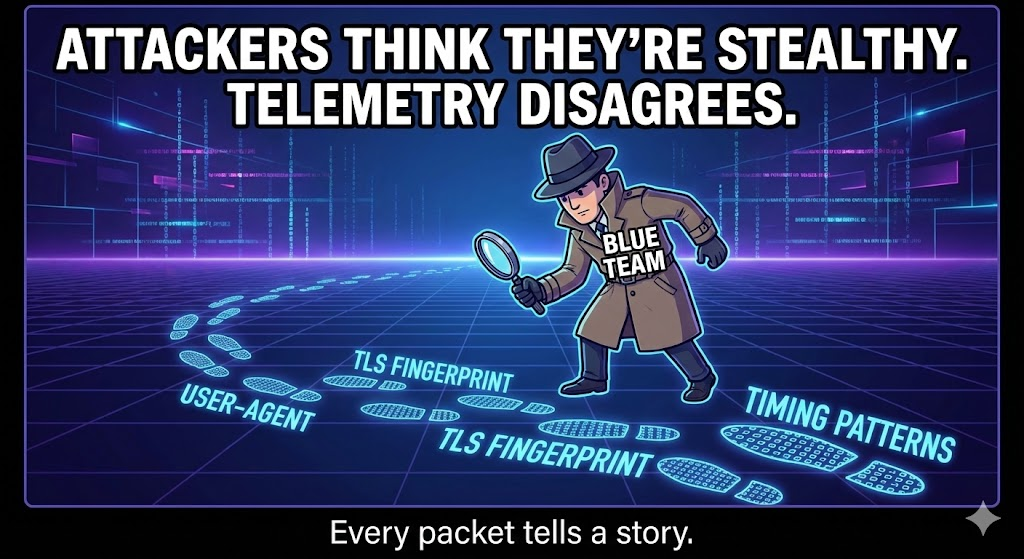
Güvenlik Ekipleri için Önemli Çıkarımlar
Tarama araçları doğaları gereği kötü niyetli değildir, ancak istismar kalıpları öngörülebilirdir. Yalnızca imzalara veya statik kurallara güvenen savunmacılar ıskalayacaktır:
- Yavaş taramalar
- Başlık maskeli problar
- API çıkarım saldırıları
- Dağıtılmış keşif
Etkili savunma şunları gerektirir:
- Davranışsal temeller
- Zamansal korelasyon
- Anlamsal talep analizi
- Bağlama duyarlı günlük kaydı
Son Düşünceler
Tarama araçları neredeyse her ciddi saldırının açılış hamlesi. Taramayı "arka plan gürültüsü" olarak değerlendirmek en yaygın savunma kör noktalarından biridir.
Saldırganların gerçekte nasıl tarama yaptıklarını anlayarak ve protokol, mantık ve davranış katmanlarındaki savunmaları enstrümante ederek kuruluşlar tehditleri tespit edebilir sömürü başlamadan önceHasar oluştuktan sonra değil.


 Turkish
  English
  German
  French
  Spanish
  Portuguese
  Japanese
  Korean
  Hindi
Hindi  Arabic
  Hebrew