
As organizations shift from traditional data centers to distributed, API-driven platforms, cloud-native security practices have become essential for securing modern workloads. Unlike traditional security controls that rely on network perimeters, cloud-native environments require a fundamentally different approach — one where security is integrated into development, deployment, runtime operations, and continuous monitoring.
Cloud-native architectures (containers, microservices, serverless) increase agility and scalability but also multiply attack surface and complexity. Effective security practices must account for identity-centric threats, ephemeral infrastructure, container image risks, orchestration vulnerabilities, and rapid change.
In this guide, we’ll discuss proven cloud-native security practices, real-world defensive techniques, and actionable code examples that engineers can apply — all grounded in current community and industry sources.
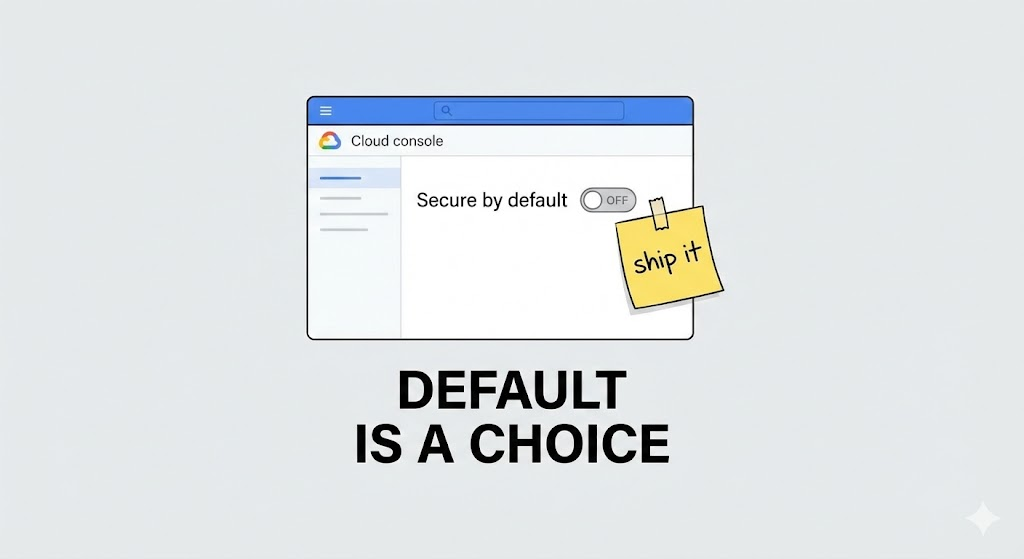
Identity, Access, and Zero Trust — Foundation of Cloud-Native Security
In cloud-native environments, identity becomes the new perimeter. Traditional IP-based trust models fail because workloads and identities scale dynamically across contexts.
Zero Trust and IAM Controls
A Zero Trust Security Model ensures no entity (user, service, workload) is trusted by default. Instead, every request must be authenticated and authorized. Key controls include:
- Identity and Access Management (IAM): Define explicit roles and permissions, and avoid over-privileged identities.
- Role-Based Access Control (RBAC): Limit service and user actions to only what is needed.
- Continuous authentication and authorization: Re-verify identities frequently.
Zero trust also helps secure microservices and prevents lateral movement inside distributed cloud deployments.
Shift-Left Security: Bake Security Into the Pipeline
Integrating security earlier in development — often called shift-left security — is a key cloud-native practice to catch vulnerabilities before workloads reach production.
CI/CD Pipeline Hardening
Secure cloud-native applications by automating security validation across the CI/CD pipeline:
- Static Application Security Testing (SAST)
- Dynamic Application Security Testing (DAST)
- Software Composition Analysis (SCA)
- Container image scanning
- Infrastructure as Code (IaC) security checks
Automating these checks prevents unsafe artifacts from ever being deployed.

Containers, Kubernetes, and Workload Security
Containers and orchestrators like Kubernetes are core to cloud-native applications. They require specific defensive controls beyond basic host security.
Core Container Security Practices
- Image vulnerability scanning: Identify CVEs in images before runtime.
- Use minimal base images: Reduces attack surface.
- Runtime protection: Monitor for anomalous container behavior.
Kubernetes-Specific Security
Kubernetes is the de facto orchestrator for cloud-native workloads — but it needs careful configuration:
- RBAC policies to limit API access
- NetworkPolicies to enforce segmentation at the pod level
- Audit logs to track cluster activity
Practical operational advice from experienced practitioners includes avoiding exposure of the Kubernetes API server and minimizing cluster-admin credentials, as these increase risk dramatically if misconfigured.
Secrets Management — Protecting Sensitive Data
Secrets (API keys, tokens, certificates) are everywhere in cloud-native applications — but they’re a frequent cause of breaches when mishandled.
Best Secrets Practices
- Use dedicated secrets management services such as HashiCorp Vault, AWS Secrets Manager, or Kubernetes Secrets.
- Rotate secrets frequently and avoid long-lived credentials.
- Avoid storing secrets in plain text or code repositories.
Infrastructure as Code (IaC) Security
Infrastructure as Code lets engineers define and manage cloud infrastructure via code. But insecure IaC templates can propagate risks.
IaC Security Controls
- Pre-deployment scanning of templates for insecure configurations (e.g., open ports, public storage).
- Version control workflows that enforce security checks.
- Automated remediation of detected risks.
Treat IaC as a critical security boundary, not just a convenience.
Encryption and Data Protection
Encryption is essential for protecting data confidentiality across cloud-native environments.
- Encrypt data at rest and in transit using strong algorithms (e.g., TLS 1.3, AES-256).
- Consider Bring Your Own Encryption (BYOE) or customer-managed keys for more control. At its core, BYOE lets customers manage encryption keys and integrate them into their cloud stacks for higher assurance.
- Ensure encryption key rotation policies are automated and enforced.
Networking and Microsegmentation
Cloud-native environments benefit from fine-grained network controls. Traditional perimeter firewalls aren’t enough for distributed services.
Microsegmentation
Segment workloads and services to limit lateral movement if one component is compromised. Use:
- Kubernetes NetworkPolicies
- Service meshes with mTLS enforcement
- Zero trust networking frameworks Supporting strong access controls across microservices.
Monitoring, Logging, and Observability
Visibility is a major challenge in distributed cloud-native systems. Without proper monitoring and logging, detecting attacks becomes nearly impossible.
Effective Observability Strategies
- Aggregate logs from containers, hosts, and orchestrators.
- Use real-time alerts for anomalous behaviors.
- Leverage AI or anomaly detection models to reduce alert fatigue. Machine learning can help identify unusual container activity by establishing baselines, flagging suspicious access, and automating alerts based on behavior deviations.
Threat Detection and Incident Response
Security incidents will happen — cloud-native teams should be ready with structured detection and response plans.
- Threat detection tools analyze behavior patterns across clusters and workloads.
- Automated responses can isolate affected containers or revoke credentials on suspicious events.
- Maintain playbooks and runbooks for common cloud incidents to standardize response actions.
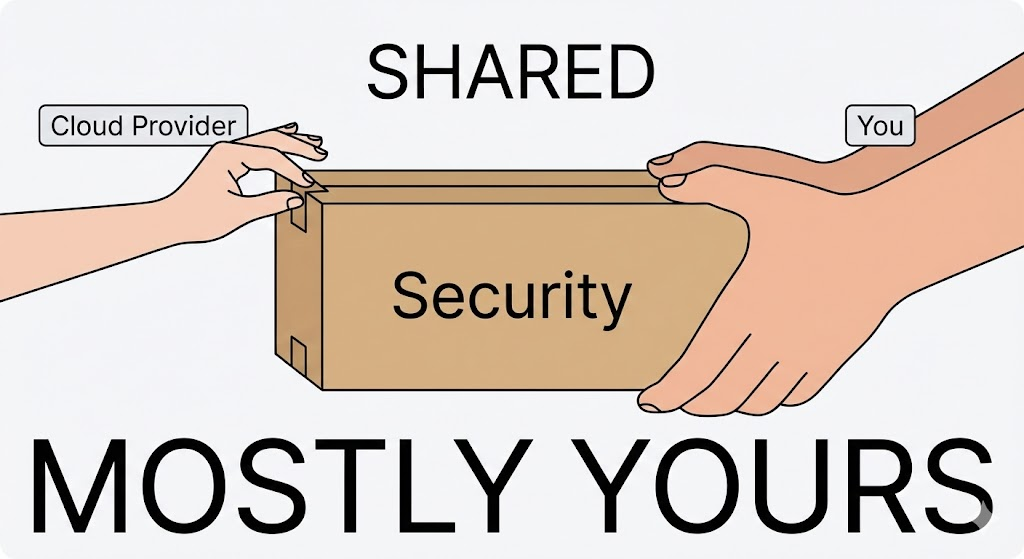
Practical Attack & Defense Code Examples
Here are three real-world practical examples that illustrate attack techniques developers must defend against, along with defensive practices.
Attack: Container Image Vulnerability Exploit (CVE)
Malicious attackers can exploit known vulnerabilities in container images if not scanned properly.
bash
docker pull vulnerable/image:tag docker run vulnerable/image:tag /bin/sh -c "exploit_command"
Defense — Automated Image Scanning in CI/CD:
Add a scanning step with a tool like Trivy in your pipeline:
bash
trivy image --severity HIGH,CRITICAL myapp:latest
Fail the CI job if vulnerabilities are found.
Attack: Kubernetes API Exposure
If the Kubernetes API is improperly exposed to the internet:
bash
curl https://<k8s-master-ip> -k
This can reveal cluster secrets and metadata.
Defense — Restrict API Access:
Only allow cluster API access from private endpoints:
yaml
apiVersion: v1 kind: Service metadata: name: kubernetes spec: type: ClusterIP
Use RBAC to restrict privileges.
Attack: Secrets Harvesting from Environment Variables
A misconfigured app may log secrets:
bash
echo $API_KEY >> insecure.log
Defense — Secure Secrets Injection:
Use Kubernetes Secrets and avoid printing them:
yaml
`env:
- name: API_KEY valueFrom: secretKeyRef: name: my-secret key: api_key`
Continuous Audit and Compliance
Cloud-native environments change rapidly, making continuous posture management essential. Use posture tools (CSPM) to detect drift, audit against standards (CIS, SOC2, PCI), and automate compliance reporting.
Cloud security is more than occasional checks — it’s real-time verification.
Conclusion — Cloud-Native Security Practices Are Continuous
cloud-native security practices are not one-off checklists but ongoing engineering processes. The dynamic nature of cloud workloads demands:
- Automation at every layer
- Security embedded in development
- Real-time visibility and automated response
- Continuous improvement driven by feedback
By adopting Zero Trust principles, integrating security into CI/CD, securing containers and Kubernetes, enforcing strong identity and network controls, and building robust observability and response capabilities, you can defend cloud-native applications against both common and emerging threats.


 German
  English
  French
  Spanish
  Portuguese
  Japanese
  Korean
  Hindi
Hindi  Arabic
  Turkish
  Hebrew